Eat for Your Enamel: The Best and Worst Foods for Your Teeth
Your diet shapes your dental health as much as your toothbrush does. Here's what strengthens enamel, what quietly wears it away, and why timing matters more than you'd think.
Brushing twice a day and flossing every night still won't save your teeth if your diet is working against you the whole time. Enamel, the hard outer layer that protects every tooth, doesn't care how good your technique is if it's under constant acid attack between brushings. What you eat, and just as importantly, when and how often you eat it, plays a huge role in whether your teeth hold up over the decades.
The good news is that eating for your teeth isn't some restrictive special diet. It overlaps almost entirely with eating well in general. Once you understand the mechanics of how food damages or protects enamel, the "why" behind a lot of dental advice starts to make a lot more sense.
How food actually damages your teeth
Your mouth is full of bacteria, and that's normal. Some of those bacteria live in a sticky film called plaque that forms on your teeth throughout the day. When you eat sugar or refined carbohydrates (think candy, white bread, crackers, soda), the bacteria in plaque feed on it and produce acid as a byproduct.
That acid lowers the pH on the surface of your teeth. Once it drops below about 5.5, minerals start leaching out of your enamel in a process called demineralization. Saliva works to reverse this by washing away acid and redepositing minerals like calcium and phosphate, but it needs time to do that job.
Here's the part most people miss: frequency matters more than quantity. Eating a large slice of cake in one sitting exposes your teeth to one acid attack that your saliva can neutralize within 20 to 30 minutes. Sipping a sugary soda over two hours, or grazing on crackers all afternoon, keeps your mouth in a near-constant acidic state with no real recovery window. That's the difference between an occasional stress on your enamel and a slow, steady erosion.
The best foods for your teeth
Some foods actively support your enamel instead of just avoiding harm.
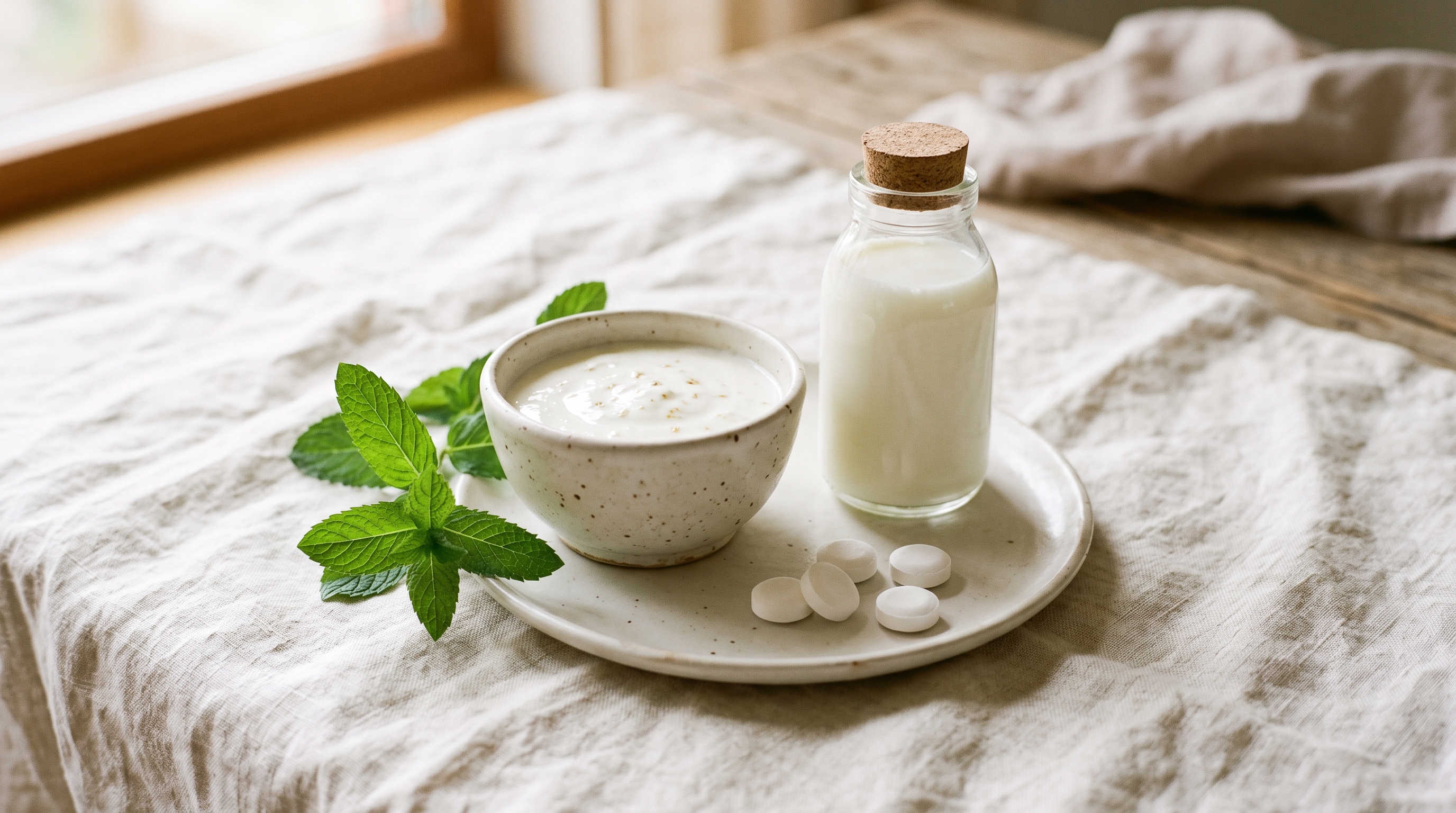
- Cheese, milk, and plain yogurt. These are rich in calcium and casein, a protein that helps stabilize and even redeposit minerals on the tooth surface. Cheese in particular raises the pH in your mouth after eating, which helps counteract acid.
- Crunchy vegetables like carrots and celery. Chewing them stimulates saliva flow and has a mild scrubbing effect on the tooth surface, though they're not a replacement for brushing.
- Leafy greens such as spinach and kale. They're high in minerals and calcium and low in the sugars and acids that feed harmful bacteria.
- Plain water, especially fluoridated tap water. Water rinses away food debris and sugar, keeps saliva production up, and if it's fluoridated, delivers a steady low-dose boost to enamel strength.
- Nuts and lean protein. These provide phosphorus, a mineral that works alongside calcium to support enamel structure, and they don't feed acid-producing bacteria the way carbohydrates do.
Chewing sugar-free gum after a meal is another small habit worth mentioning. It boosts saliva flow, which helps neutralize acid faster when you can't brush right away.
The worst offenders
On the other side of the ledger, a handful of common foods and drinks do outsized damage.
- Sugary drinks and soda. These are a double threat: they're loaded with sugar for bacteria to convert into acid, and many are already acidic on their own (especially dark colas and citrus sodas), so they attack enamel from two directions at once.
- Sticky sweets and dried fruit. Caramels, gummy candy, and dried fruit like raisins cling to the grooves and surfaces of your teeth long after you've swallowed, giving bacteria a longer buffet.
- Citrus fruit and acidic drinks sipped frequently. Lemons, grapefruit, and drinks like sparkling water with citrus flavoring or sports drinks can erode enamel directly through acid exposure, separate from the sugar issue.
- Constant grazing or sipping. Nursing a coffee with sugar, a soda, or even fruit juice over hours never lets your mouth's pH recover. This is one of the most underrated causes of adult cavities.
It's about timing, not just sugar
This is the piece that changes how people actually eat, rather than just making them feel guilty about dessert. A sweet treat eaten with a meal is far less damaging than the same treat eaten slowly on its own between meals. Meals already trigger more saliva production, which helps buffer the acid from the dessert that follows.
A few practical habits make a real difference:
- Save sugary or acidic foods for mealtimes instead of snacking on them alone.
- Rinse your mouth with plain water right after eating something sugary or acidic if you can't brush.
- Wait about 30 minutes before brushing after acidic food or drinks. Acid temporarily softens enamel, and brushing too soon can actually scrub away some of that softened surface.
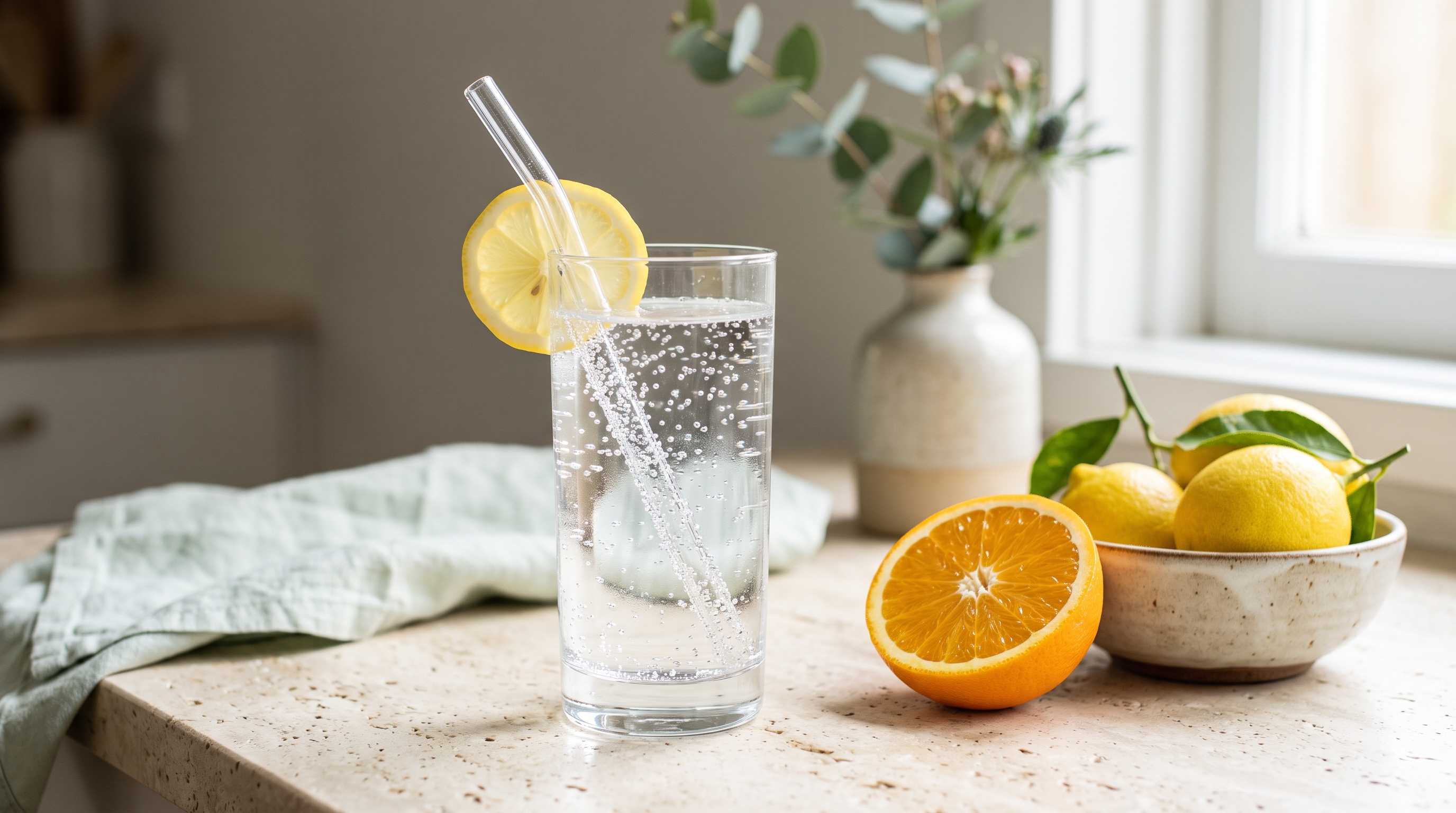
- Use a straw for acidic or sugary drinks when possible, which limits how much contact the liquid has with your teeth.
A quick reference: foods sorted by impact
| Food or drink | Effect on teeth | Better habit |
|---|---|---|
| Cheese, plain yogurt | Raises pH, adds calcium | Enjoy freely, great post-meal snack |
| Crunchy vegetables | Stimulates saliva, mild cleaning | Eat raw when possible |
| Soda and sports drinks | Sugar plus acid, high risk | Limit frequency, use a straw |
| Dried fruit, gummies | Sticks to teeth for hours | Rinse or brush soon after |
| Citrus fruit | Direct enamel erosion | Eat with a meal, don't sip slowly |
| Water (fluoridated) | Rinses debris, supports enamel | Make it your default drink |
| Coffee or tea (unsweetened) | Mild staining, low decay risk | Fine in moderation |
What about coffee, wine, and other everyday drinks?
Black coffee and unsweetened tea aren't major cavity risks on their own since they're low in sugar, though both can stain teeth over time and tea especially can be quite acidic. Red wine is acidic and can also stain, and like anything else, sipping it slowly over a long dinner gives it more contact time with your enamel than drinking it in one sitting would. None of this means you need to give these up, it just helps to know that "sip slowly all evening" is the pattern that does the most damage regardless of what's in the glass.
FAQ
Can enamel grow back once it's damaged? No. Enamel has no living cells, so once it wears away or erodes, your body can't regenerate it. Fluoride and minerals from food can help re-harden and strengthen enamel that's in the early stages of demineralization, but they can't rebuild enamel that's already been lost. This is why prevention matters so much more than trying to fix damage later.
Is fruit juice actually bad for teeth even though it's "natural"? Yes, in the sense that matters for your teeth. Fruit juice is often just as high in sugar as soda and can be just as acidic, especially citrus juices. Whole fruit is a better choice because the fiber slows sugar exposure and you chew it rather than bathing your teeth in liquid sugar.
Does sugar-free gum actually help? Yes. Chewing sugar-free gum, ideally one sweetened with xylitol, increases saliva flow, which helps rinse away food particles and neutralize acid. It's a genuinely useful habit after meals when brushing isn't an option, though it's not a substitute for brushing and flossing.
How long after eating should I wait to brush my teeth? For most food, brushing soon after is fine. For acidic food or drinks specifically (citrus, soda, wine, vinegar-based dressings), wait about 30 minutes. The acid softens enamel temporarily, and brushing during that window can wear it down faster.
Are artificial sweeteners safer for teeth than sugar? Generally yes. Bacteria in your mouth can't ferment most artificial sweeteners or sugar alcohols like xylitol into acid the way they can with real sugar, so diet drinks and sugar-free sweets are considerably less risky for cavities. Some diet sodas are still acidic on their own, though, so they're not entirely off the hook for enamel erosion.
Does what you eat matter more at certain ages?
Kids and teenagers are often the most vulnerable to diet-related decay because their enamel is still maturing and they tend to snack constantly, whether that's juice boxes, sports drinks after practice, or candy from a school locker. Building good habits early, like rinsing with water after a sugary snack, matters a lot during these years.
Adults aren't off the hook either. Receding gums with age expose the tooth root, which is softer than enamel and more vulnerable to acid, so the same diet that was fine at 20 can cause more damage at 50. Older adults also tend to take more medications that reduce saliva flow, which removes one of the mouth's main defenses against acid, making diet choices even more important later in life.
Snacks that are genuinely tooth-friendly
If cutting out snacking entirely isn't realistic, and for most people it isn't, the goal becomes picking snacks that don't leave sugar sitting on your teeth for hours. A few solid options:
- Plain cheese cubes or string cheese
- Apple slices (the fiber and water content help offset the natural sugar)
- A small handful of almonds or walnuts
- Plain yogurt with no added sugar
- Raw vegetables like carrot sticks or bell pepper strips
- Sugar-free gum, which increases saliva flow rather than feeding bacteria
None of these require giving up dessert altogether. It's more about what fills the gaps between meals, since that's where most of the damage from constant grazing actually happens.
The bottom line
Your teeth respond to two things above almost everything else: how much sugar reaches the bacteria on them, and how long acid sits on the surface before your saliva gets a chance to neutralize it. Favor calcium-rich, crunchy, low-acid foods, keep sugary and acidic things to mealtimes rather than all-day grazing, and give your mouth recovery time in between. None of this replaces brushing and flossing, but it does mean your toothbrush isn't fighting a losing battle against your last snack.
This article is for general information only and is not a substitute for professional dental advice. Always consult your dentist about your individual needs.